
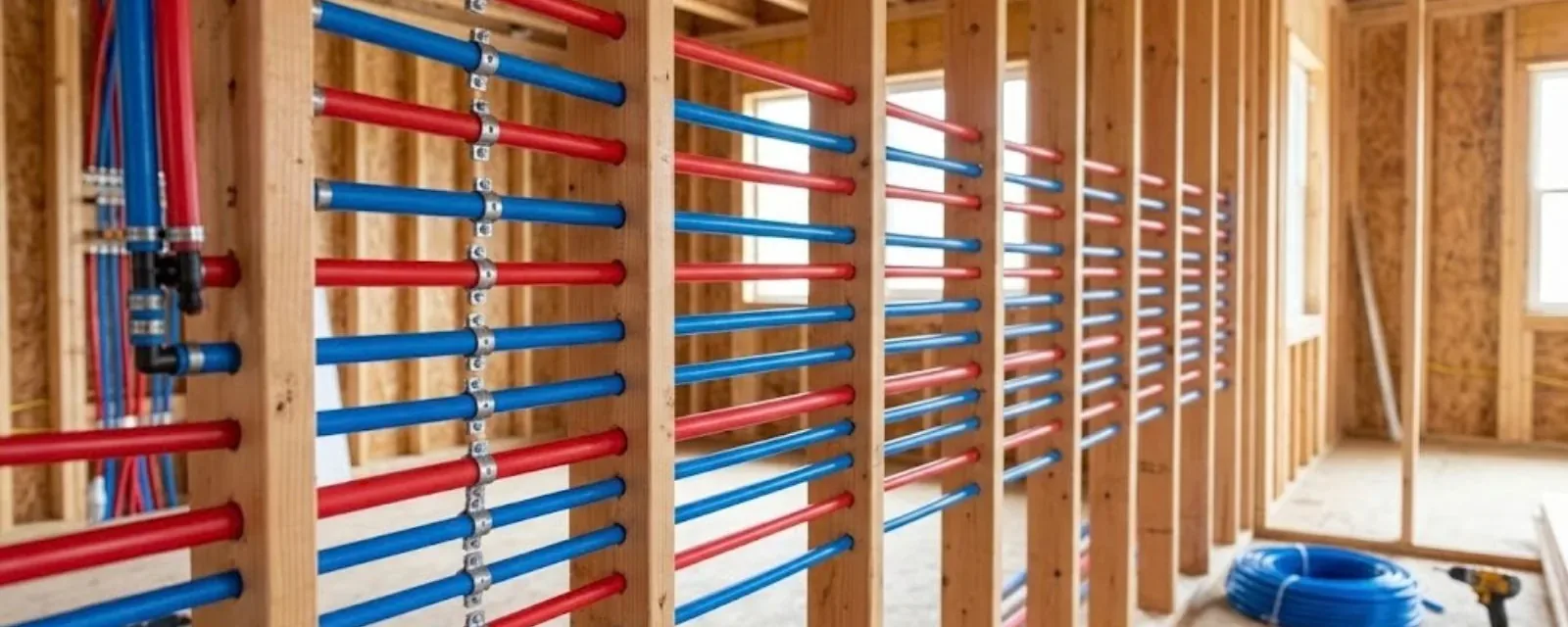
A repipe is a project, not a repair
A repair fixes one leak. A repipe replaces the whole supply system, from the point where water enters the house to every sink, tub, toilet and appliance. The goal is to remove old pipe that is failing, rusting or restricting flow, so you stop paying for repeat repairs.
Because the scope is large, bids vary a great deal. Two contractors can quote very different numbers for what sounds like the same job, so the details matter more than the total.
Signs a repipe may make sense
One leak does not call for a repipe. A pattern does.
- Pinhole leaks that keep appearing in different places.
- Rust-colored water that clears slowly after running.
- Pressure that has dropped and does not improve after fixture repairs.
- Galvanized steel supply pipes in a house built before the 1960s.
- Green or white scale on copper joints and fittings.
- Pipes that look flaky or crusty when a section is cut open.
Keep photos and dates of each leak. It shows the pattern and helps you decide.
Copper, PEX and other options
The material you choose affects the price, the schedule and how much wall must be opened.
| Material | Strengths | Limits |
|---|---|---|
| Copper | Long track record, durable, not harmed by sunlight | Higher material cost, more labor to solder joints. |
| PEX | Flexible, fewer fittings, can be fished through walls | Not for outdoor sun exposure, needs proper support. |
| CPVC | Lower cost for hot and cold | Can become brittle with age. |
| Galvanized steel | Found in older homes | Corrodes inside and restricts flow, not recommended for new work. |
Ask each contractor why they recommend a material for your house.
What drives the number up or down
House size is the starting point. More bathrooms, more kitchens and more floors mean more pipe and more connections. A two-bath bungalow is a different job from a three-story two-family house.
Access is next. Open basements and unfinished crawlspaces let a crew run new lines quickly. Finished walls and ceilings mean more openings and more patching. PEX can often be fished through walls with smaller openings than copper requires.
Finish work is the third driver. Drywall repair, painting and floor patching are sometimes separate from the plumbing, and sometimes not. Ask who is responsible, and get it in writing.
How a repipe usually runs
A good contractor plans the job to keep water on for as much of the time as possible.
- Inspection and planThe plumber traces the lines and agrees on a route.
- Rough in new pipeNew lines go in while the old ones still work.
- Switch overFixtures are connected one by one to the new lines.
- Pressure testThe system is tested and any required inspection is scheduled.
- Patch accessOpenings are left ready for drywall repair, or repaired if the bid includes it.
Plan for water to be off for part of a day, and ask for the schedule in writing.
Partial repipes and phased work
A full repipe is not always the right first step. If the worst pipes are in the basement run, a partial repipe may solve the immediate problem for less. The risk is that the remaining old pipe may fail next.
A fair contractor shows you which sections look worst and what each option would leave behind. If you cannot afford a full job, ask about a plan that replaces the main trunk first and the branches later.
Questions to ask every bidder
Take the same list to each contractor so you compare apples to apples. Ask which material they propose and why. Ask how many access openings they expect and where. Ask who repairs the drywall and finishes it, and by when.
Ask for the license number and verify it with the State Board of Examiners of Master Plumbers. Ask who pulls permits, and ask for the warranty in writing. A contractor who answers these clearly is easier to trust.
Timing a repipe with other projects
If you plan a kitchen or bathroom remodel, combine it with a repipe in that area. The walls are open, and the incremental cost is lower than doing the two jobs apart. If you plan to sell, a repipe can ease a buyer's concern about old pipe.
Schedule in a mild season where possible. Water shutoffs are easier to live with in spring or fall.
Selling a house with old pipes
If you plan to sell soon, ask a plumber to document the condition of the pipes. A short report and photos can reassure a buyer. If the pipes are failing, you can fix them before listing or offer a credit.
What to do if a pipe fails mid-project: safety steps
Close the main, relieve pressure at the lowest faucet and switch off power to wet areas. Photograph the damage and tell the contractor before work resumes.
Quick reference: what moves a repipe price
We do not guess a flat number. These are the factors that decide a bid.
- House size and fixturesMore fixtures means more pipe and more tie-ins.
- MaterialCopper and PEX are priced differently.
- Access and finishFinished walls add openings and repair.
- Permits and inspectionFees depend on the township.
- OccupancyWorking around tenants or a family in the home takes planning.
Insurance note: repiping because pipes are old is not an insurance claim. Sudden leak damage may be covered. Keep your repair history and photos.
Want a written bid? Call (973) 488-5410.